
Available courses
National Service Training Program 2 (NSTP 2) is a course that focuses on the application of leadership, citizenship, and community engagement concepts learned in NSTP 1. It aims to develop students into socially responsible, community-oriented, and proactive citizens through hands-on activities, projects, and community service.
- Teacher: Maricris Francisquete
- Enrolled students: 56
The course Microperspective in the Tourism and Hospitality Industry focuses on the application of microeconomic principles to tourism- and hospitality-related businesses and organizations. It examines how individual firms, consumers, and workers make decisions in response to scarcity, costs, demand, pricing, and competition within the tourism and hospitality sector.
Students will analyze the behavior of tourists as consumers and tourism enterprises as producers, including hotels, restaurants, travel agencies, airlines, and attractions. The course emphasizes how businesses allocate resources, set prices, manage costs, and respond to market conditions to achieve efficiency and profitability while maintaining service quality.
Key topics include demand and supply in tourism markets, elasticity, production and cost structures, pricing strategies, market structures, labor issues, consumer behavior, and decision-making at the firm level. Real-world and Philippine tourism cases are integrated to help students understand how microeconomic concepts operate in actual tourism and hospitality settings.
By the end of the course, students are expected to develop analytical and decision-making skills necessary for managing tourism and hospitality enterprises effectively, supporting sustainable business practices, and responding to changing market conditions in the tourism industry.
- Teacher: maria carla maboot
- Enrolled students: 2
This course teaches students a customer-oriented approach to marketing in hospitality and tourism. The role of marketing in an organizations’ overall strategic planning is emphasized. Techniques available to hotels, restaurants, and other tourism business are described and evaluated including packaging, the travel trade, advertising, sales promotion, positioning and branding.
- Teacher: Rea Caparida
- Enrolled students: 21
This course introduces non-IT students to the basic concepts of computer programming with an emphasis on logical thinking, problem-solving, and practical applications rather than complex technical theory. Students will learn how simple programs are created, how logic controls computer behavior, and how programming concepts are applied in everyday fields such as business, education, health, and communication.
- Teacher: Joselito Edong
- Enrolled students: 76

This course builds upon Movement Competency Training and emphasizes exercise-based fitness activities for improving and maintaining health-related fitness components: cardiovascular endurance, muscular strength, muscular endurance, flexibility, and body composition. Students will engage in structured physical activities such as aerobics, circuit training, resistance training, stretching routines, and recreational fitness activities. The course highlights the importance of exercise in promoting lifelong health and wellness.
- Teacher: Rheamel Perez
- Enrolled students: 251

This course introduces students to the fundamental principles, theories, and practices of organization and management with specific application to the tourism and hospitality industry. It focuses on planning, organizing, staffing, directing, and controlling within tourism-related organizations such as travel agencies, hotels, resorts, airlines, event companies, and government tourism offices. The course develops managerial skills, leadership awareness, and decision-making abilities necessary for future tourism professionals.
- Teacher: Rea Caparida
- Enrolled students: 77
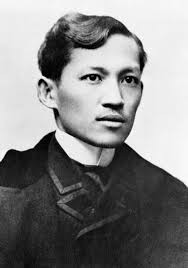
The course Life and Works of Rizal is a mandated subject that examines the life, writings, and contributions of Dr. José Rizal, the national hero of the Philippines. It focuses on his major literary works—Noli Me Tangere and El Filibusterismo—as well as his essays, poems, letters, and political ideas, within the context of Spanish colonial rule.
The course analyzes Rizal’s role in the Philippine nationalist movement, his advocacy for peaceful reforms, education, and social justice, and the impact of his ideas on the Philippine Revolution and nation-building. It also highlights Rizal’s values, such as patriotism, civic responsibility, intellectual freedom, and moral courage, and examines their relevance to contemporary Filipino society.
Through critical reading, discussion, and reflection, students develop historical awareness, critical thinking, and a deeper appreciation of Filipino identity and nationalism.
- Teacher: Diane Margaret Magbutong
- Enrolled students: There are no students enrolled in this course.

What happened fella?
- Teacher: Ericson Jay Anliban
- Enrolled students: There are no students enrolled in this course.
The Fundamentals of Accounting course introduces students to key principles such as the accounting cycle, financial statements, and transaction recording. It covers important topics like assets, liabilities, equity, revenue, and expenses, emphasizing the value of accurate financial reporting for decision-making. Students will develop practical skills in bookkeeping and using accounting software, gaining a solid foundation for further studies or roles in accounting, finance, or business administration.
- Teacher: TEODY REY PONCE
- Enrolled students: There are no students enrolled in this course.
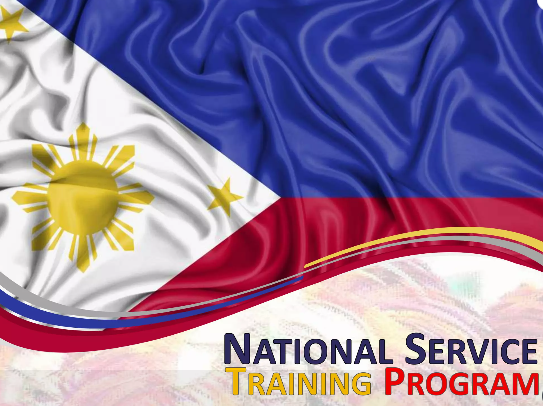
NSTP is a program designed to develop the youth's physical, moral, spiritual, intellectual, and social well-being and promote defense preparedness and ethics of service while undergoing training in any of its three program components.
- Teacher: Feba Sabandal
- Enrolled students: There are no students enrolled in this course.
A typical "Understanding the Self" course explores personal identity through various academic lenses (philosophy, sociology, psychology) and practical applications, divided into three main parts: constructing the self from different perspectives, analyzing its components (physical, digital, spiritual, etc.), and developing self-management skills like goal-setting and stress reduction, aiming to foster self-awareness and personal growth through reflection, discussions, and activities
- Teacher: Ericson Jay Anliban
- Enrolled students: There are no students enrolled in this course.
- Teacher: NINA GLORIA PENDANG
- Enrolled students: There are no students enrolled in this course.
This course deals with the safety standards and procedures in the workshop as act by the industry and the school.
- Teacher: GERMIN JOY OMEGA
- Enrolled students: There are no students enrolled in this course.
- Teacher: Maricris Francisquete
- Enrolled students: There are no students enrolled in this course.
asdfgh uuyuyvyuyu hhk jh jhljlh jlh
- Teacher: Course Creator
- Enrolled students: 1

This course provides an introduction to web development, focusing on the core technologies that power websites: HTML, CSS, and JavaScript. Students will learn how to build simple web pages, apply styling, and add interactivity using these fundamental tools. By the end of the course, students will have developed the foundational skills to create static websites and gain a basic understanding of front-end development. This course also serves as a preparatory training for Web Development NC III, equipping students with the essential knowledge and competencies needed for more advanced web development studies and certification.
- Teacher: Joselito Edong
- Enrolled students: 51
A three-unit academic subject that examines the nature of identity, as well as the processes and circumstances that influence the formation and maintenance of human identity. This course is meant to help students explore issues and concerns about their own identity in order to gain a better understanding of themselves.
- Teacher: Rea Caparida
- Enrolled students: There are no students enrolled in this course.

This course provides a comprehensive introduction to cloud computing, covering fundamental concepts, deployment models, and cloud-based services. Students will explore cloud architectures, virtualization, containerization, security, and the integration of cloud platforms in modern computing environments. Hands-on exercises will allow students to deploy and manage cloud applications using industry-leading cloud service providers.
- Teacher: Joselito Edong
- Enrolled students: 48

This course introduces students to the role of information technology (IT) in modern society. It explores the impact of IT on communication, business, education, government, and daily life, while also addressing digital citizenship, cybersecurity, data privacy, and ethical use of technology. Students will gain awareness of current and emerging technologies, evaluate their benefits and risks, and develop responsible practices in using IT for personal and professional growth.
- Teacher: Nessa Garcia
- Teacher: Billy Wendell Quilaton
- Enrolled students: 155

This subject focuses on the essence of occupational safety and health by promoting awareness, hazard prevention, and risk control. It aims to develop responsible and safety-conscious individuals capable of maintaining a healthy and secure workplace.
- Teacher: Joselito Edong
- Teacher: Nessa Garcia
- Enrolled students: 59
This course introduces learners to APIs, their role in modern systems, and how they enable communication between applications. Students will explore how APIs are used in business, education, healthcare, and communication systems, and gain foundational knowledge in API design, usage, and testing.
- Teacher: Joselito Edong
- Enrolled students: There are no students enrolled in this course.
- Teacher: GERMIN JOY OMEGA
- Enrolled students: There are no students enrolled in this course.
- Teacher: Cristy Rose Romanos
- Enrolled students: There are no students enrolled in this course.
- Teacher: Cristy Rose Romanos
- Enrolled students: There are no students enrolled in this course.
- Teacher: Albert Mamusog
- Enrolled students: There are no students enrolled in this course.

Physical Fitness Exercises through dance and music.
- Teacher: NESCY JOY BOHIA
- Enrolled students: There are no students enrolled in this course.

Purposive communication is about writing, speaking, and presenting to different audiences and for various purposes. It develops students’ communicative competence and enhances their cultural and intercultural awareness through multimodal tasks that provide them opportunities for communicating effectively and appropriately to a multicultural audience in a local or global context.
It equips students with tools for critical evaluation of a variety of texts and focuses on the power of language and the impact of images to emphasize the importance of conveying messages responsibly. The knowledge, skills, and insights that students gain from this course may be used in their other academic endeavors, their chosen disciplines, and their future careers as they compose and produce relevant oral, written, audio-visual and/or web based output for various purposes.
- Teacher: ALFIE JAY BAUYOT
- Enrolled students: There are no students enrolled in this course.
|
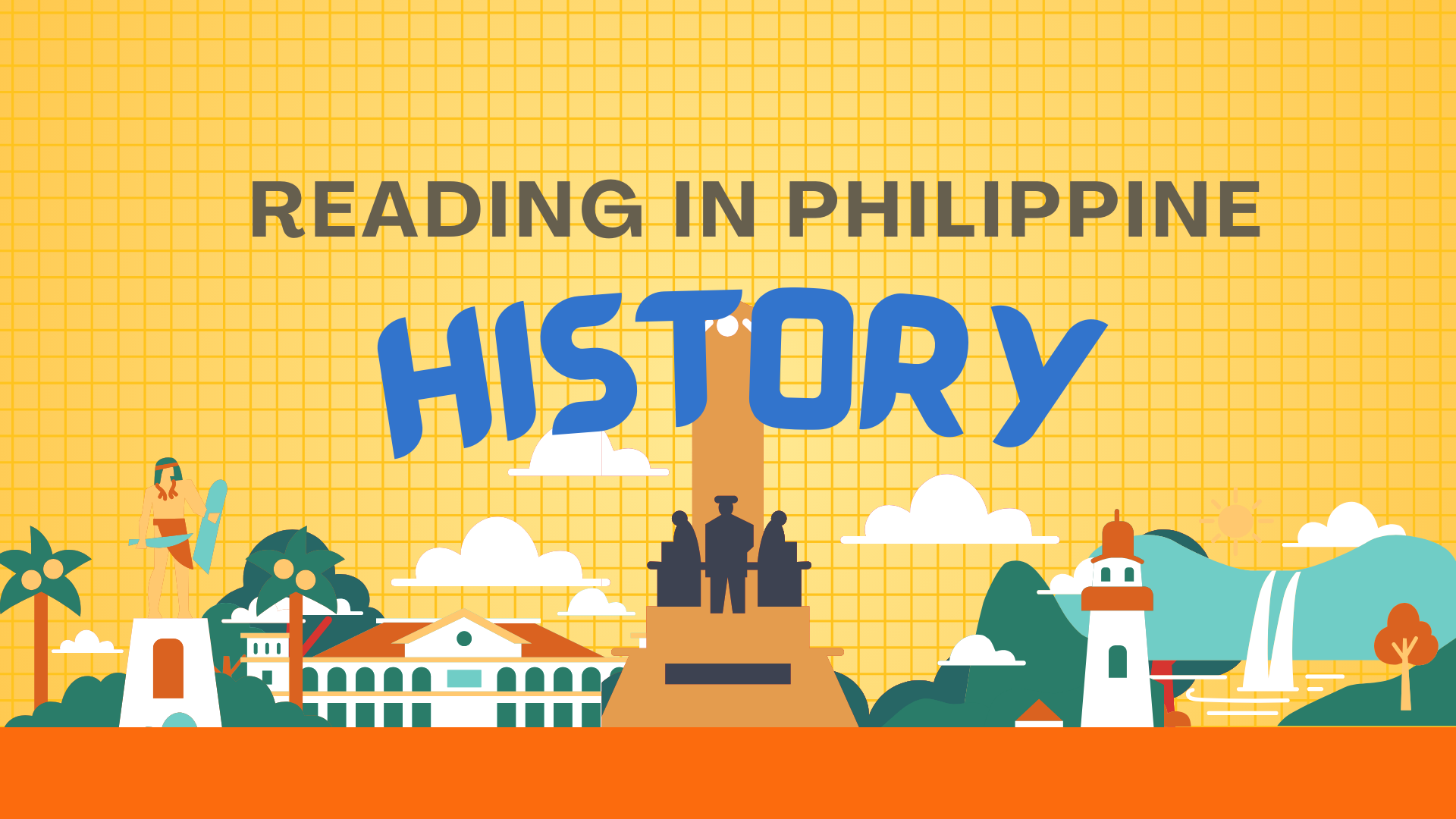
This course analyzes Philippine history from multiple perspectives through the lens of selected primary sources coming from various disciplines and of different genres. Students are given opportunities to analyze the author’s background and main arguments, compare different points of view, identify biases and examine the evidences presented in the document. The discussions will tackle traditional topics in history and other interdisciplinary themes that will deepen and broaden their understanding of Philippine political, economic, cultural, social, scientific and religious history. Priority is given to primary materials that could help students develop their analytical and communication skills. The end goal is to develop the historical and critical consciousness of the students so that they will become versatile, articulate, broad-minded, morally upright and responsible citizens. |
This course includes mandatory topics Philippine Constitution, agrarian reform, and taxation.
- Teacher: John Norman Syting
- Enrolled students: There are no students enrolled in this course.

|
This course enables students’ ability to appreciate, analyze, and critique works of art. Through interdisciplinary and multimodal approaches, this course equips students with a broad knowledge of the practical, historical, philosophical, and social relevance of the arts in order to hone students’ ability to articulate their understanding of the arts. The course also develops students’ competency in researching and curating art as well as conceptualizing, mounting, and evaluating art productions. The course aims to develop students’ genuine appreciation for Philippine arts by providing them opportunities to explore the diversity and richness and their rootedness in Filipino culture. |
- Teacher: Krishma Jane Gutual
- Enrolled students: There are no students enrolled in this course.
- Teacher: Edgar Ruelo
- Enrolled students: There are no students enrolled in this course.
|
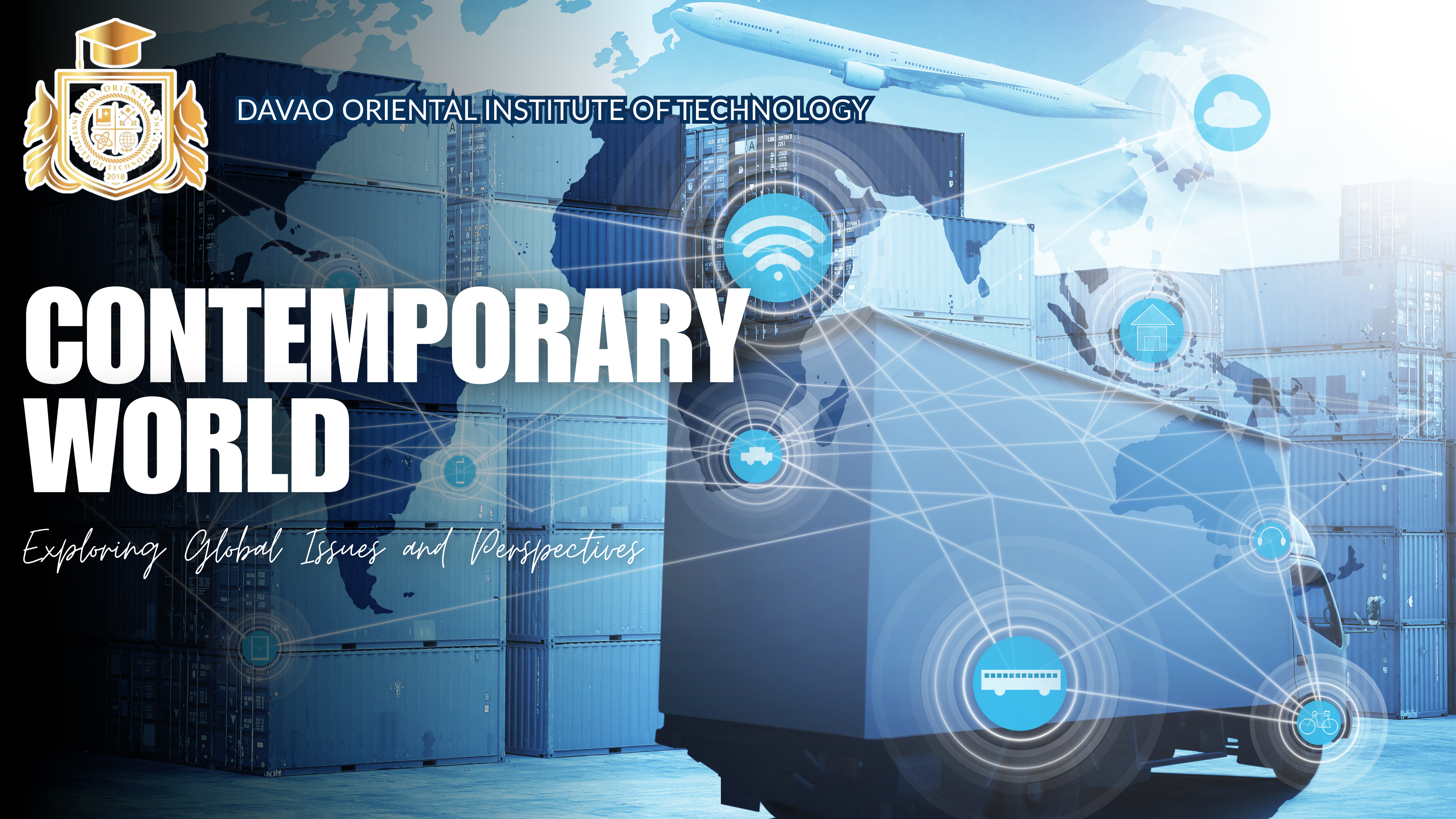
This course introduces students to the contemporary world by examining the multifaceted phenomenon of globalization. Using the various disciplines of the social sciences, it examines the economic, social, political, technological, and other transformations that have created an increasing awareness of the interconnectedness of peoples and places around the globe. To this end, the course provides an overview of the various debates in global governance, development, and sustainability. Beyond exposing the student to the world outside the Philippines, it seeks to inculcate a sense of global citizenship and global ethical responsibility. This course includes mandatory topics on population education in the context of population and demography. |
- Teacher: REY MARK GUTUAL
- Enrolled students: There are no students enrolled in this course.
htrhghdjhfydstuibufojfsdalj
- Teacher: Alzadd Lemente
- Enrolled students: There are no students enrolled in this course.
- Teacher: AILEEN RABAGO
- Enrolled students: There are no students enrolled in this course.

Start your journey with our Excel Fundamentals training course! Designed for beginners and those seeking to enhance their skills, this course covers the essential features and tools of Excel to help you work smarter, not harder.
- Enrolled students: 81